Reflections on the Regulatory Oversight of Packaging for Non-Active, Non-Implantable Medical Device Registration
2026-04-20
Reflections on the Regulatory Oversight of Packaging for Non-Active, Non-Implantable Medical Device Registration
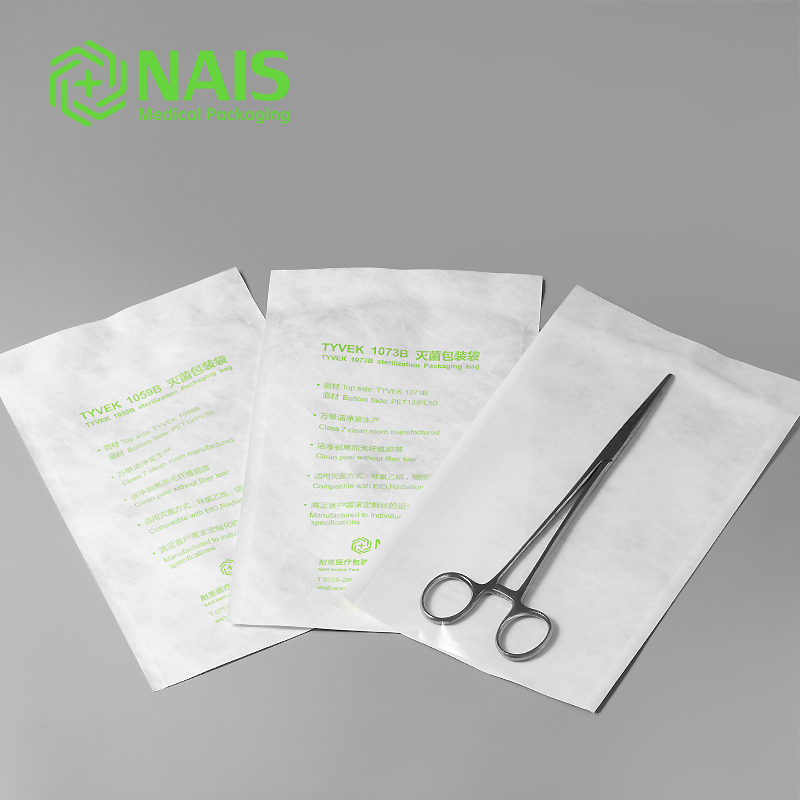
Packaging serves as the sterile barrier for medical devices, ensuring they remain uncontaminated and reducing Healthcare-Associated Infections (HAIs). It is a critical safeguard for the final product's safety and efficacy[1,2]. Once compromised—whether by vibration, compression, impact, dropping, pressure changes, or temperature fluctuations during transportation—the packaging allows environmental microorganisms to infiltrate, rendering the product non-sterile. Other failures include unclear labeling, leakage, wear, adhesion, or tearing. Such packaging failures, which can be subtle yet hazardous, pose direct or indirect infection risks when the device is used[3]. In the US and China, packaging-related issues account for approximately 50% and 10% of product recalls, respectively. In China, medical device-related infections constitute about two-thirds of all infections[1].
To date, only the Medical Device Production Quality Management Practice[4] provides guidance on packaging selection and evaluation. Growing attention to adverse events linked to packaging issues overseas has prompted updates in relevant international standards, which China has also followed. Although specific registration review guidelines have not yet been formulated, registration dossiers explicitly require packaging study data, including validation under simulated transportation conditions, which is also a key component of quality management system audits.
Following discussions by China's Pharmaceutical and Medical Device Packaging Research Institute on materials, design, performance testing methods, validation processes, and the standard system for sterile medical device packaging, updates have been made. This article provides a brief overview.
I. Introduction to Packaging Standards
Non-active, non-implantable consumables include items such as disposable infusion sets, blood transfusion sets, anesthesia breathing circuits, injection needles, syringes, medical dressings, gynecological and traditional Chinese medicine surgical instruments, disposable catheters (e.g., urinary catheters, drainage tubes), extracorporeal circulation devices, and tubing. Their packaging forms are diverse. By form, packaging can be categorized into plastic bags, paper-plastic pouches, paper pouches, foil-plastic pouches, blister trays, etc.[5]. By material, it includes paper (YY/T 0698.2[6], YY/T 0698.3[7], YY/T 0698.6[8], YY/T 0698.7[9]), polyolefin non-woven fabric, plastic film (YBB 00132002-2015[10]), glass, etc. By sterilization method, it covers ethylene oxide, moist heat steam, radiation, plasma, formaldehyde, etc.
Selecting packaging for sterile medical devices involves numerous factors, such as the compatibility of the packaging system with the product and with user requirements during aseptic presentation[11].
Standards for sterile medical device packaging are extensive, mainly comprising horizontal standards (GB/T 19633 series and YY/T 1759), product standards (YY/T 0698 series), and test method standards (YY/T 0681 series, YY/T 1432, and YY/T 1433), briefly introduced below.
1. Varying Degrees of Alignment with International Standards for Packaging Standards/Guidance
GB/T 19633.1[12] outlines general requirements for materials, medical devices, packaging system design, and sterilization methods, intended for use by material suppliers, preformed sterile barrier system suppliers, device manufacturers, and healthcare facilities. Seal quality is crucial for sterile barrier system integrity (GB/T 19633.2)[13]. The YY/T 0698 series, Packaging Materials for Terminally Sterilized Medical Devices, applies to commercially available packaging materials and preformed sterile barrier systems. The YY/T 0681 series of test methods for sterile medical device packaging applies to packaging materials, sterile barrier systems, and packaging systems. Some methods are suitable for design and development, others for production control. The choice of test method should be based on device characteristics (e.g., mass, dimensions, composition) and the test objective (e.g., design, routine QC). Some methods do not specify acceptance criteria, which should be jointly determined by the packaging and device manufacturers.
Furthermore, packaging in direct contact with the device should comply with the Chinese Pharmacopoeia(2020 edition), which states it "shall be non-toxic, clean, shall not undergo chemical reactions, and shall not affect the quality of the contents." The YY/T 16886 series applies to products intended for direct contact with the human body or bodily fluids, requiring biological evaluation as necessary.
Packaging selection for non-active, non-implantable consumables should be determined case-by-case, considering shelf life, sterilization method, and transportation mode comprehensively[14-16].
The microbial barrier properties of packaging materials are vital for maintaining integrity and safety. Materials are classified as impervious or permeable. GB/T 19633.1 Appendix C provides test methods for impervious materials. Evaluation of sterile medical device packaging is recommended with reference to Table 1 in YY/T 1759-2020[17]. Commonly used Tyvek®-to-tray packaging can be referenced against YY/T 1759-2020 Guidelines for Design and Evaluation of Primary Flexible Packaging for Medical Devices[17].
2. Clarification of Review Criteria and Registration Dossier Requirements
Review criteria and dossier requirements need refinement. For example, preparing simulated transportation study data is suggested to reference YY/T 0681.15-2019[18], YY/T 0681.16-2019[19], and ASTM D4169-16[20]. Validation per these standards should generally include at minimum: manual handling, stacking, vibration, compression, drop, and impact tests[14,21]. Both internal and external factors can affect packaging strength, potentially compromising the sterile barrier during simulated transportation testing. Applicants should control these factors to minimize their impact. Parameters (e.g., product weight, shape) should be determined from relevant tables in the standards. Specific tests like bridge impact for certain package sizes, and stack load calculations, should be performed with derivation provided.
3. Unclear Basis for Packaging Procurement and Selection
Issues include unclear selection criteria, e.g., for dialysis paper pore size and burst strength (referencing EN 868-4, etc.)[23]. Different pore sizes correspond to different air permeability times, internal tear resistance, and burst strength[24].
4. Incomplete Packaging Review Items
Common issues in dossiers include incomplete packaging review items. Evaluation should be based on calculations and tests per relevant standards. Packaging validation should assess at least packaging integrity, packaging strength, and microbial barrier performance (maintenance of sterility/microbial limits)[33]. Integrity test methods include YY/T 0681.4[25], YY/T 0681.5[26], YY/T 0681.11[27], etc. Strength tests include YY/T 0681.2[28]; unrestrained internal pressure resistance refers to YY/T 0681.3[29]. Microbial barrier tests include YY/T 0681.10[30], wet and dry microbial barrier tests (YY/T 0681.14)[31], and aerosol filtration microbial barrier tests (YY/T 0681.17)[32].
II. Key Review Focuses and Common Problem Examples
Reviews often focus on whether raw materials meet medical-grade standards, packaging compatibility with the sterilization method (deformation, adhesion, migration post-sterilization), stability at the end of shelf life (cracking, unclear labeling, barrier failure), and omissions or errors in simulated transportation validation[33,34].
1. Examples of Common Issues in Packaging Validation Reports
Reports are often incomplete, e.g.: ① Unclear primary packaging material and sealing method; ② Missing primary packaging performance tests (e.g., integrity); ③ Lack of process validation data; ④ Incomplete shelf-life validation report for primary packaging (YY/T 0681.1-2018 or ASTM F1980); ⑤ Incomplete simulated transportation evaluation items. Justification and referenced standards are needed for any deviations[33].
2. Examples of Common Issues in Packaging Validation
Surveys indicate manufacturer confusion regarding packaging selection and validation[2]. Common validation issues include: ① Using EO sterilization for completely sealed packages; ② Incorrect temperature selection for accelerated aging; ③ Incorrect validation test methods[35].
3. Examples of Common Issues in Registration Inspections[36]
The production environment for packaging materials of non-active, non-implantable medical devices must comply with the Medical Device Production Quality Management Practice. Generally, production should occur in a cleanroom with a cleanliness class not lower than 300,000 grade.
4. Other Common Problem Examples
These include drug-device combination products and adaptation of imported packaging to meet domestic standards. For drug-device combinations (e.g., hemodialysis powder), primary packaging must comply with YBB 00092002-2015[10] and YY/T 1494[37], which specify limits for chemical/mechanical properties and benzene extractables. Imported packaging must meet Chinese standards. If components cannot be separated, they may be registered in a single primary package. Products with differing particulate requirements within a kit (e.g., antiseptic brush and catheter in an anesthesia kit) require separate packaging.
III. Thoughts on Regulatory Strategies
Oversight of packaging for sterile, non-implantable medical devices should emphasize unified review criteria, detailed requirements, and the development of review guidelines. Building on a thorough understanding of existing regulations and standards, combined with review experience, common issues and shortcomings should be summarized. Soliciting opinions from industry experts can foster consensus, improve packaging quality and registration dossier professionalism, mitigate risks, enhance the registration review/approval process, reduce adverse events related to packaging, and advance the regulatory work steadily.
Nais Medical Packaging Showcases Sterile Barrier Solutions at tHIS ASEAN 2026