


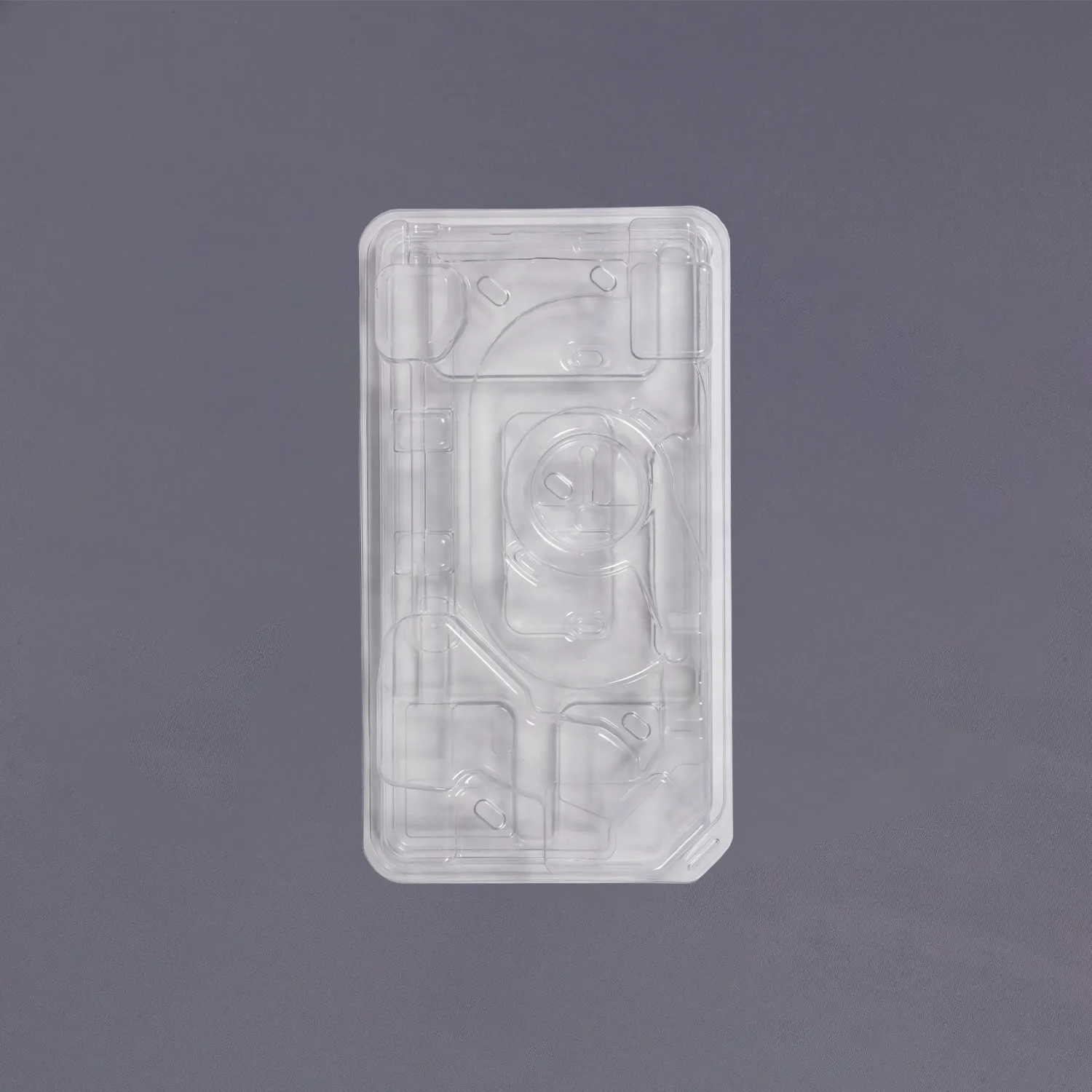
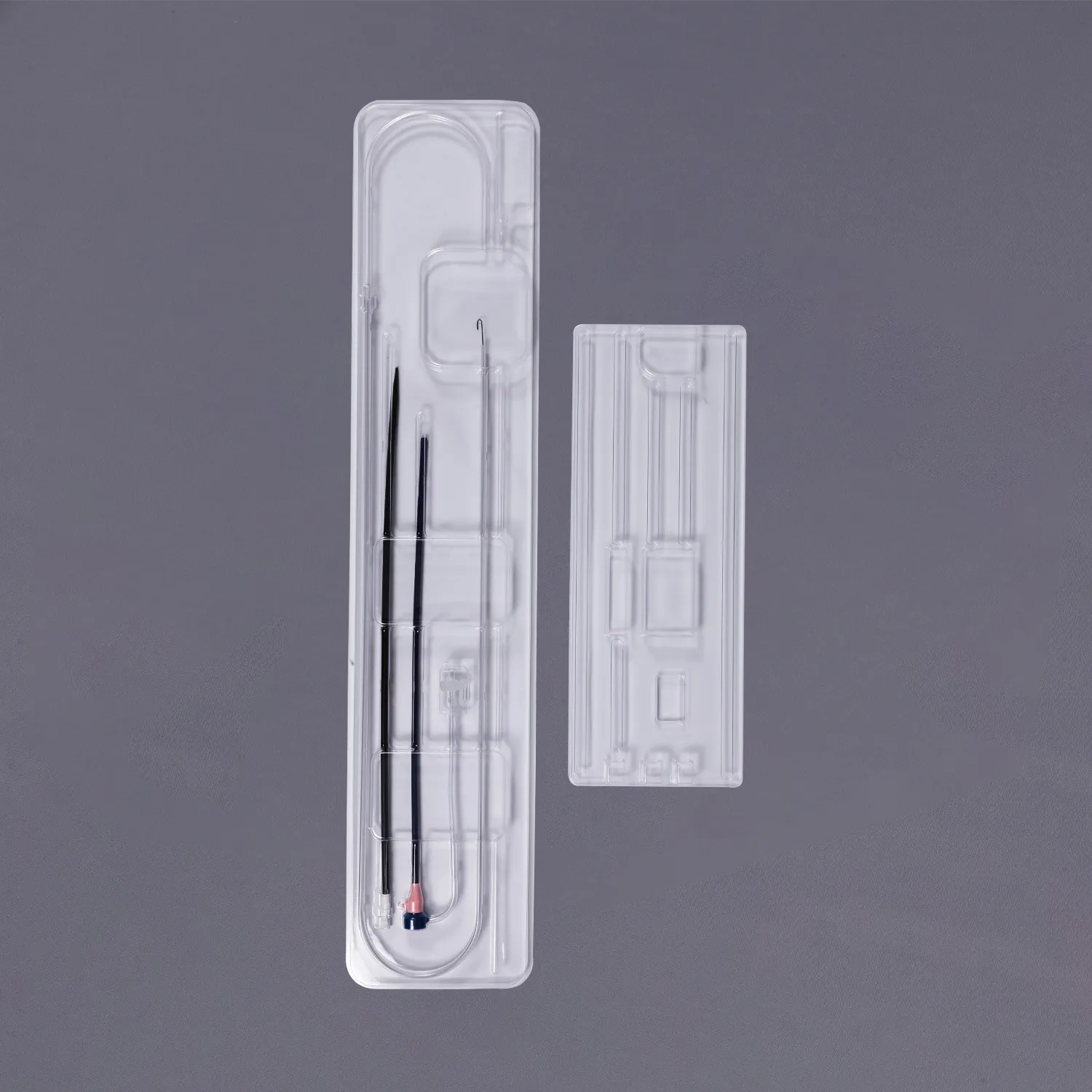
APET Medical blister box
Size/Shape/Thickness: Customized
Combination: Blister Lid+ Blister box , Blister tray + Sterilized paper cover, Flap blister
Advantages: Low cost, highly bacteria-proof, with a microbial barrier function, can prevent microorganisms from entering the contaminated product, so that the product can achieve aseptic effect when used.
Sterilization Methods: EO, Irradiation sterilization,Low temperature plasma, Ozone and other sterilization methods
APET Thermoformed Blister Tray
Description:
An APET Blister Tray is a rigid, clear packaging solution made from Amorphous Polyethylene Terephthalate (APET). It serves as a highly cost-effective alternative to PETG, offering a strong balance of performance and value for a wide range of medical device packaging needs.
1.Key Features:
Material: Composed of non-crystalline (amorphous) PET, which provides very good clarity (typically >88% light transmission) and adequate stiffness.
Sterilization Compatibility: Primarily validated for low-temperature sterilization methods, including Ethylene Oxide (EO) and Gamma Irradiation. It is generally not recommended for repeated Steam sterilization cycles due to a lower heat distortion temperature compared to PETG.
Customization: Size, shape, and thickness are fully customizable to fit specific device contours, with common thicknesses similar to other thermoformable materials.
2.Primary Advantages:
Excellent Cost-Performance Ratio: Offers significant cost savings compared to PETG while retaining good optical clarity and sufficient mechanical protection for many devices, providing outstanding value.
Good Clarity & Surface Quality: Delivers a clear, glossy finish that allows for easy visual inspection of the packaged contents, enhancing product presentation.
Widely Processable: Easily thermoformed on standard equipment and compatible with common sealing processes, facilitating efficient manufacturing.
3.Main Applications:
Ideal for packaging medium-to-low risk medical devices and single-use consumables sterilized by EO or irradiation. Common uses include dental instruments, disposable surgical tools, wound care products, and various procedural kits where cost control is important but product visibility and a reliable sterile barrier are still required.
Picture Show
Comprehensive score